Things to note when buying a used excavator
Release time: 2025-11-20
When it comes to purchasing construction equipment, mini excavators are a popular choice due to their versatility, compact size, and ease of operation. Many buyers opt for used mini excavators because they offer a lower upfront cost compared to new models. While this initial price advantage can be appealing, it's important to understand that the potential for higher repair costs down the line can offset the initial savings. Therefore, thorough inspection and evaluation of key components are crucial when buying a second-hand mini excavator.
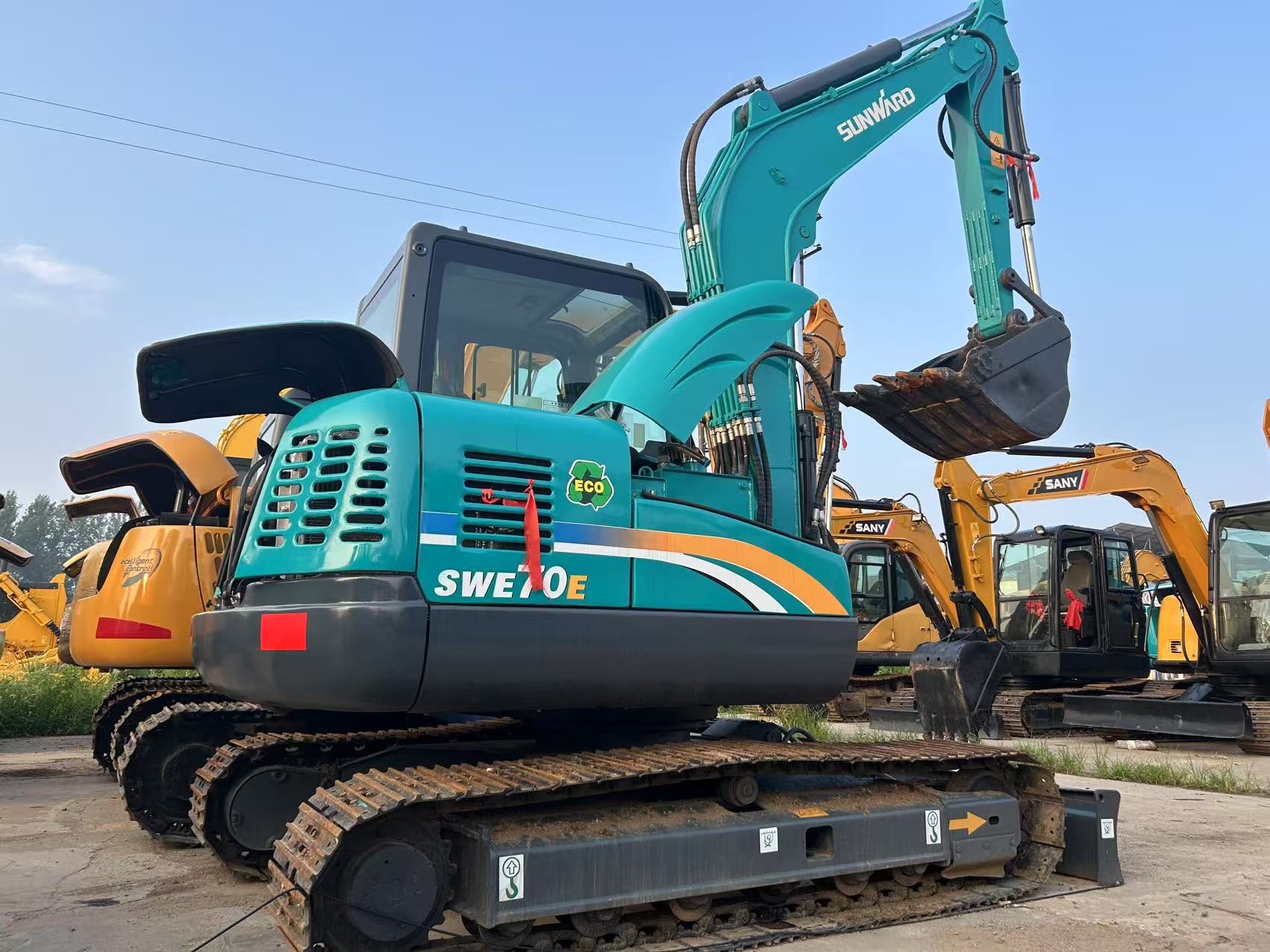
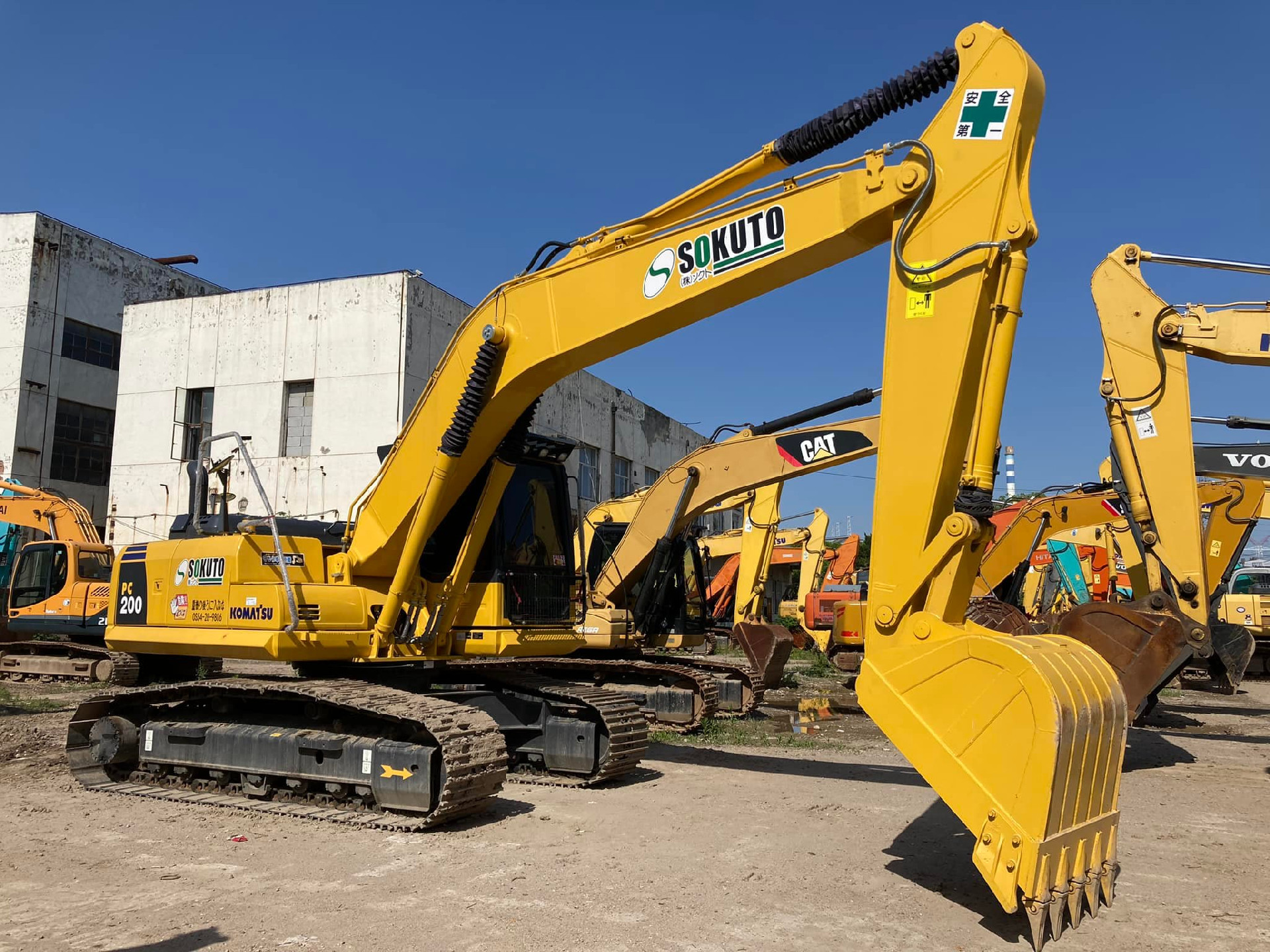
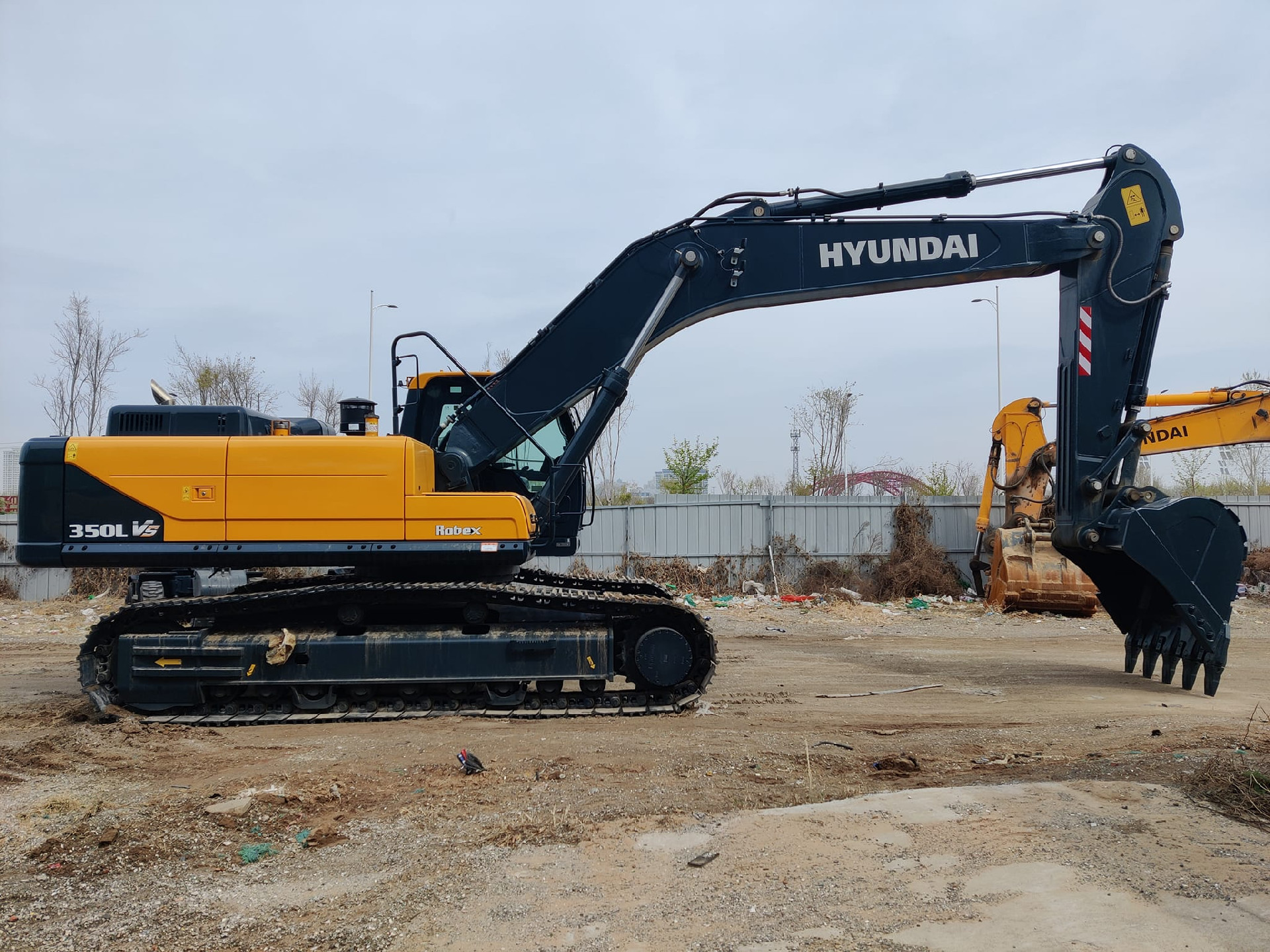
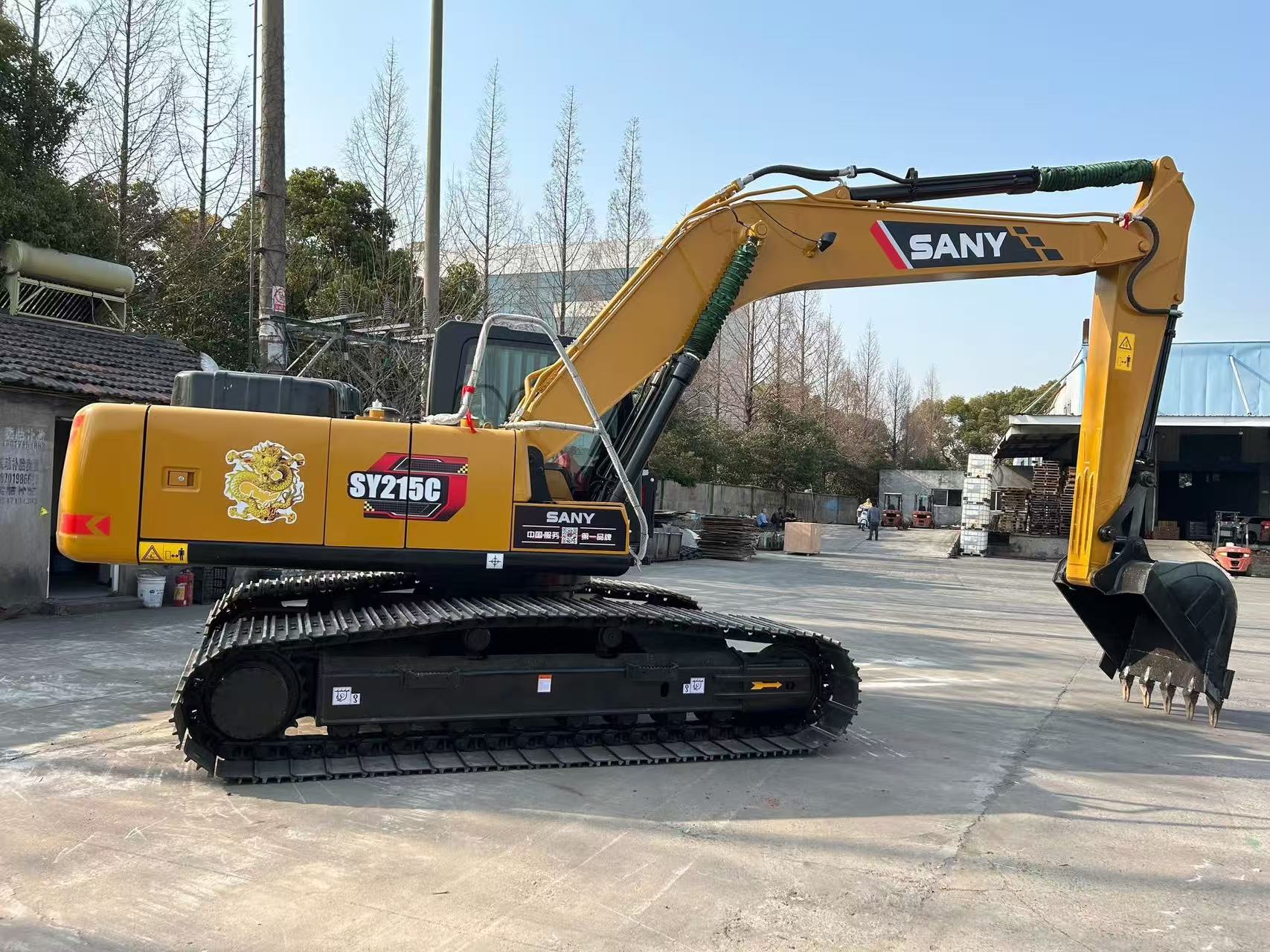
One of the most significant areas to focus on when inspecting a used mini excavator is the undercarriage. The undercarriage, which includes the tracks, rollers, and sprockets, is subject to a great deal of stress during operation, especially in rough terrain or when handling heavy loads. Worn-out tracks or damaged rollers can lead to costly repairs and may even necessitate a complete replacement. By checking for signs of wear, such as uneven track tension or cracked rollers, buyers can gauge the level of use and maintenance the machine has undergone. If the undercarriage is in poor condition, it may be worth considering a different option, as repairs can be expensive.
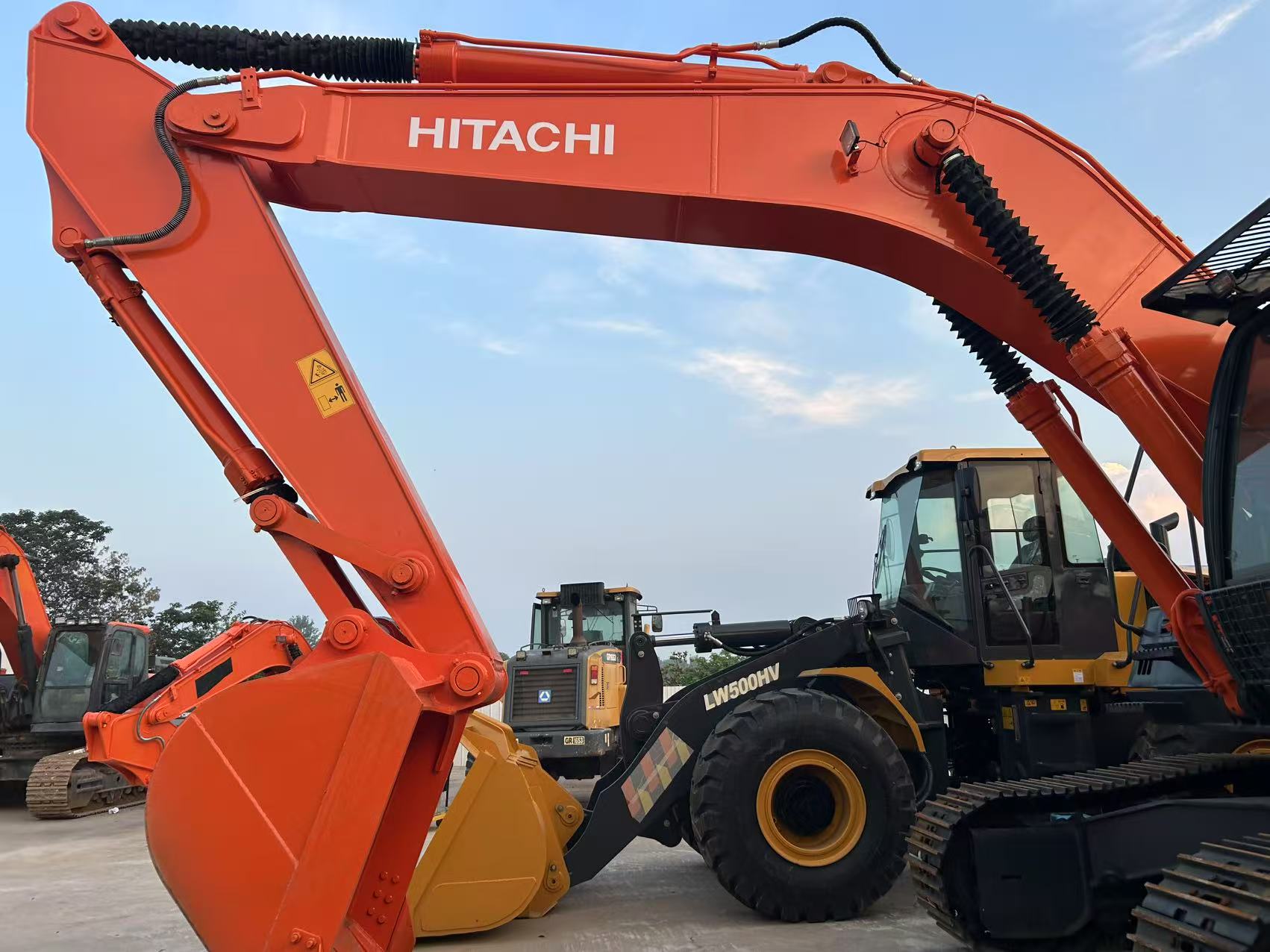
Another critical aspect to examine is the hydraulic system. Hydraulic systems power many of the key functions of a mini excavator, including the boom, arm, and bucket movements. Over time, seals and hoses can wear out, leading to hydraulic leaks. Leaks not only decrease the machine's efficiency but can also result in more serious damage to the hydraulic pump and cylinders if not addressed promptly. When inspecting a used mini excavator, check all hoses, fittings, and hydraulic cylinders for signs of leakage or damage. It's also worth inspecting the hydraulic oil for contamination, as dirty oil can indicate internal wear.
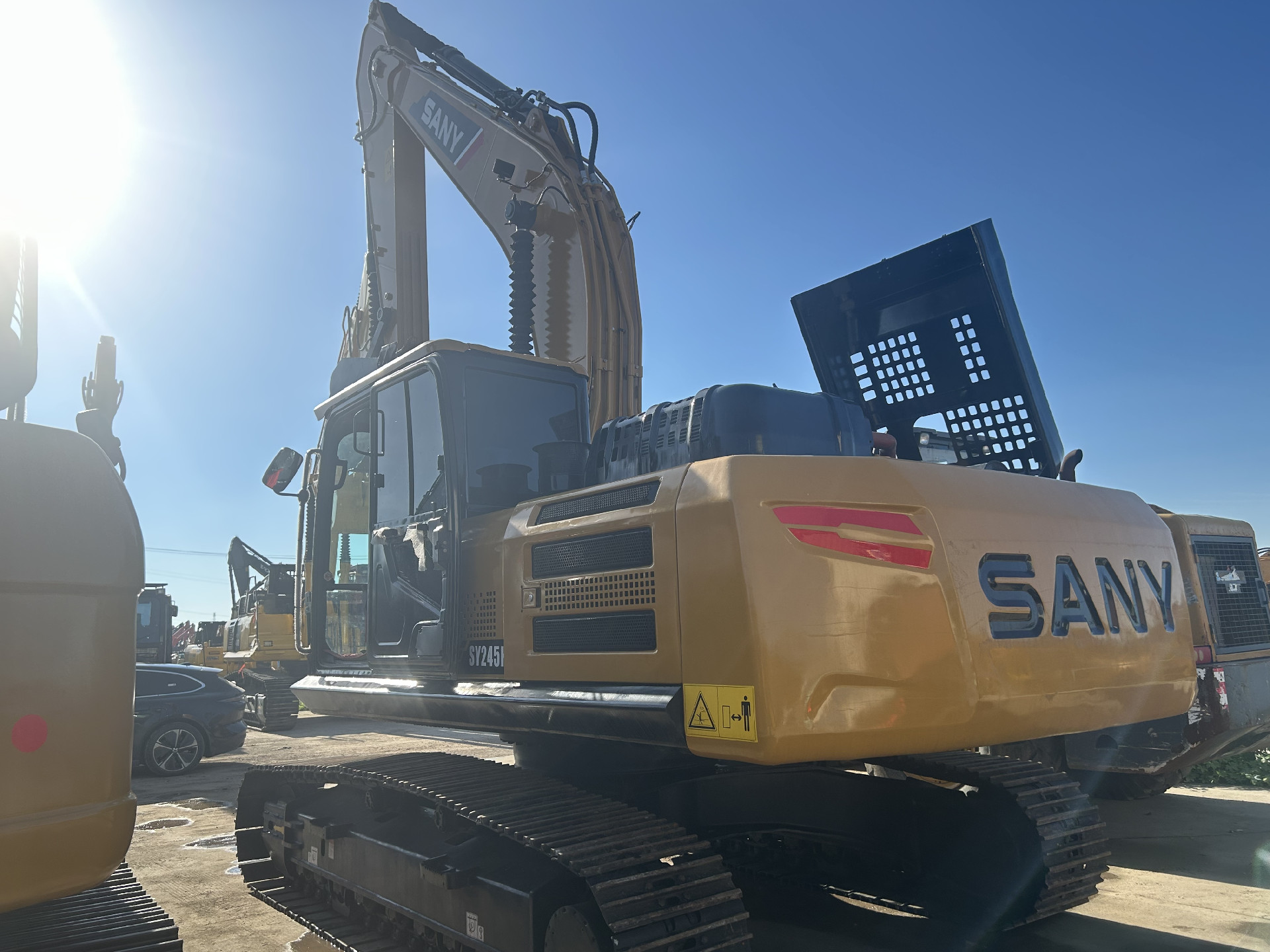
Lastly, the engine performance of a used mini excavator is one of the most important factors to consider. A well-maintained engine is essential for reliable operation, but with used equipment, engine wear can become an issue. Listen for any unusual noises, such as knocking or excessive exhaust smoke, which could indicate problems with the engine. Checking the engine's oil and coolant levels, as well as inspecting the air filter and fuel system, can also provide valuable insights into the overall condition of the powertrain.
In conclusion, while buying a used mini excavator can be a cost-effective option, it comes with certain risks. By carefully inspecting the undercarriage, hydraulic system, and engine performance, buyers can avoid purchasing a machine that will incur costly repairs down the line. A well-maintained used mini excavator can still provide great value, but due diligence is key to ensuring a wise investment.