
How to Transport a Used Excavator Safely: Your Complete Step-by-Step Guide
Release time: 2025-11-22
How to Transport a Used Excavator Safely: Your Complete Step-by-Step Guide
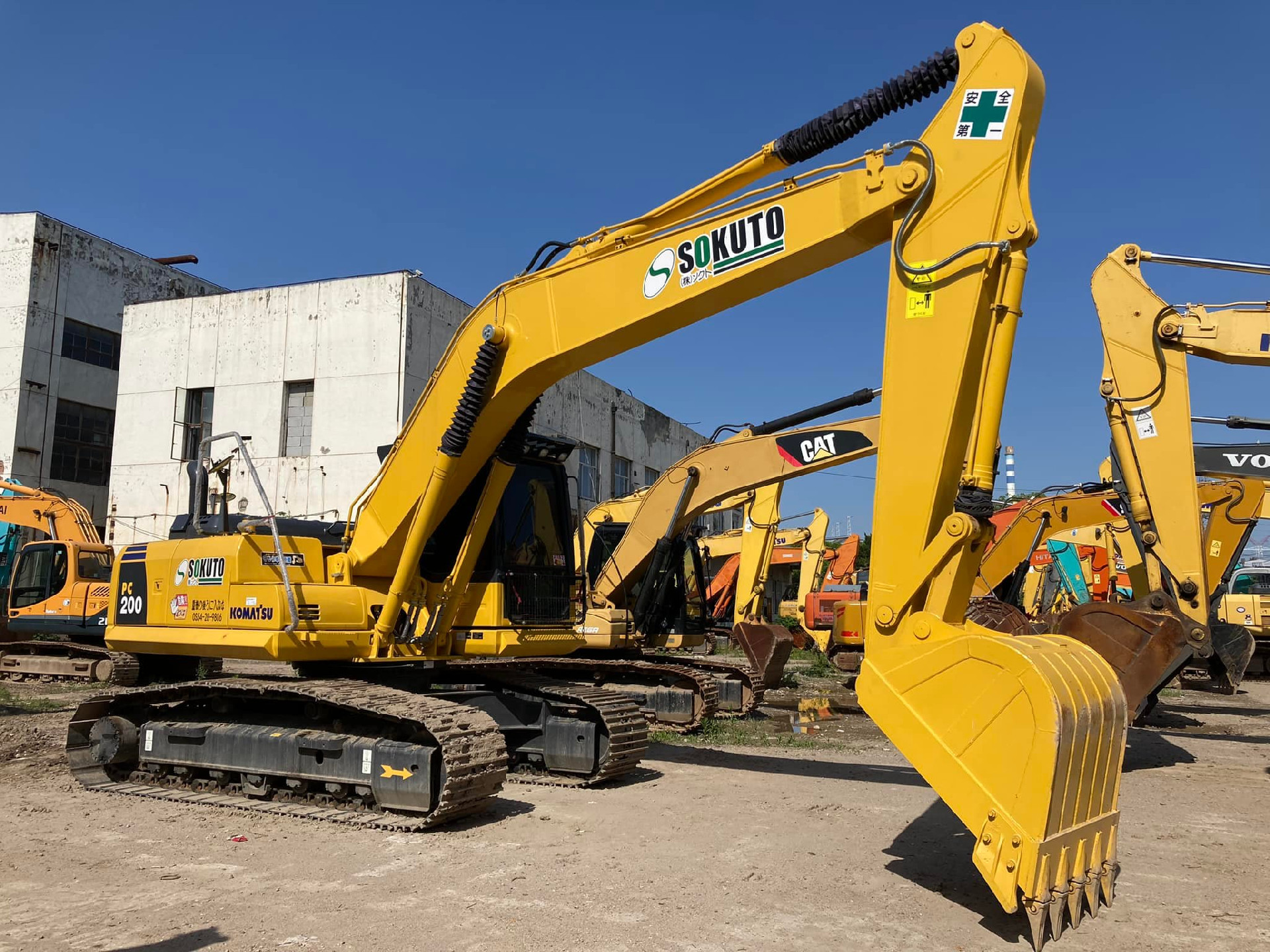
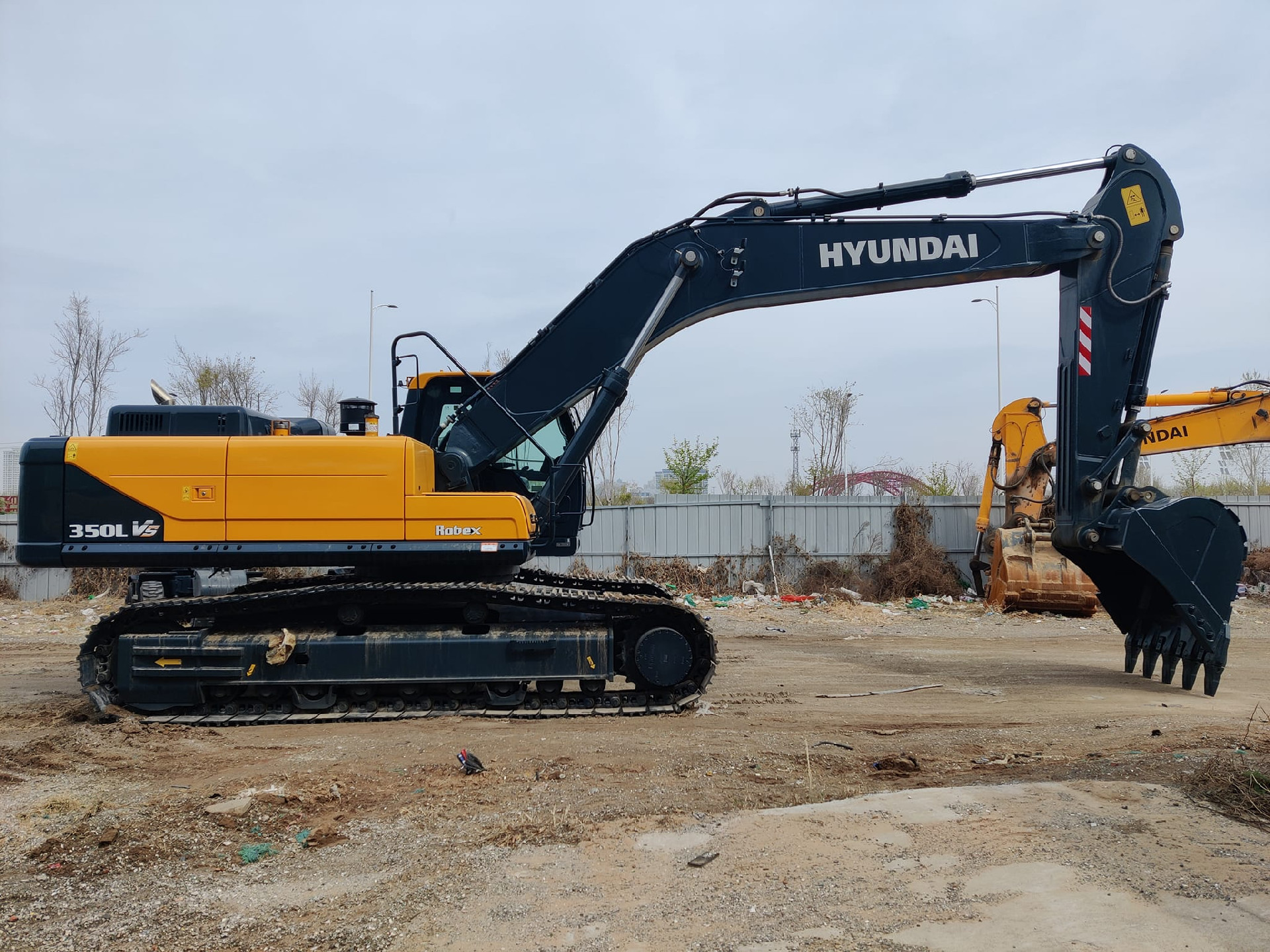
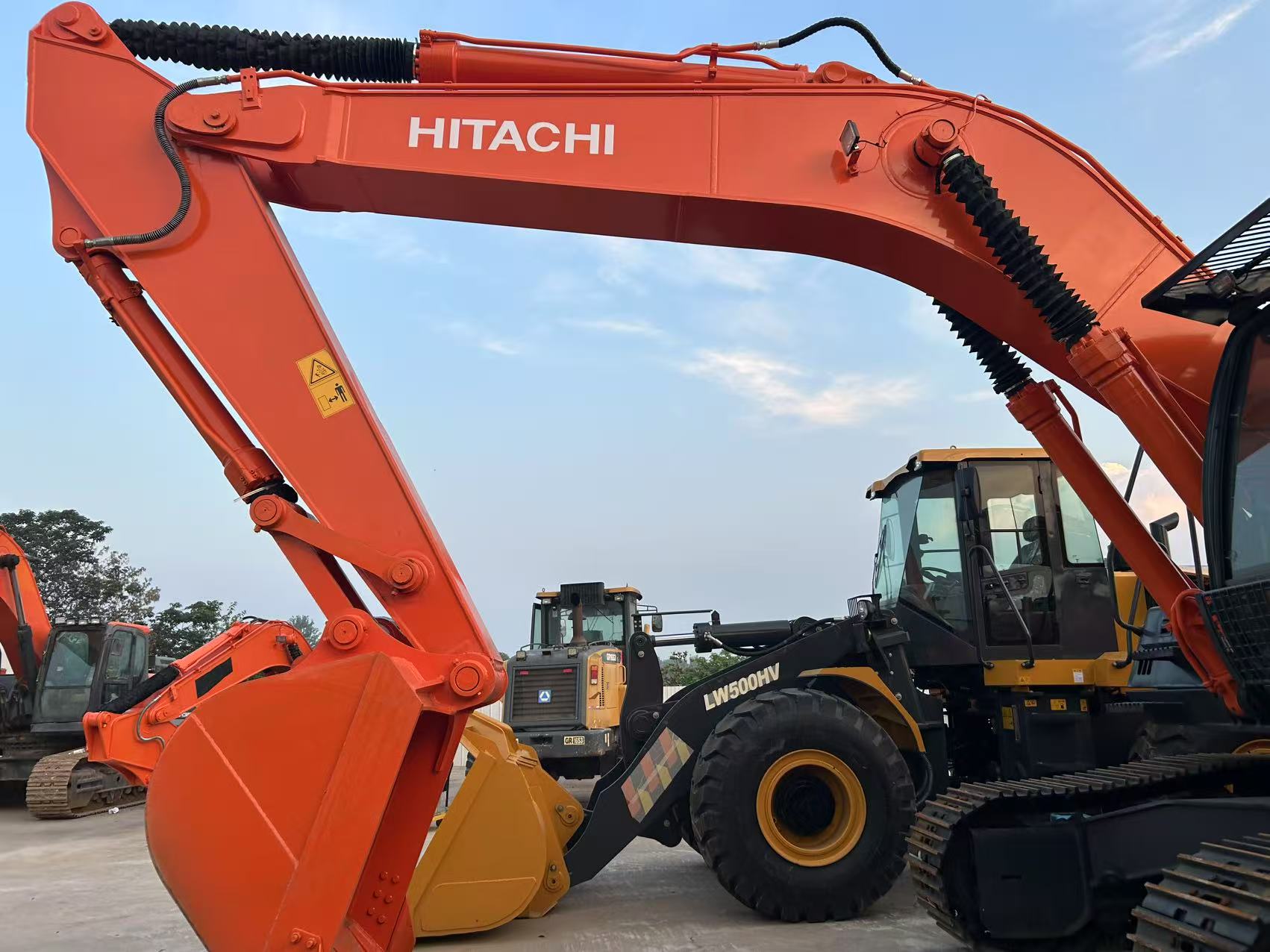
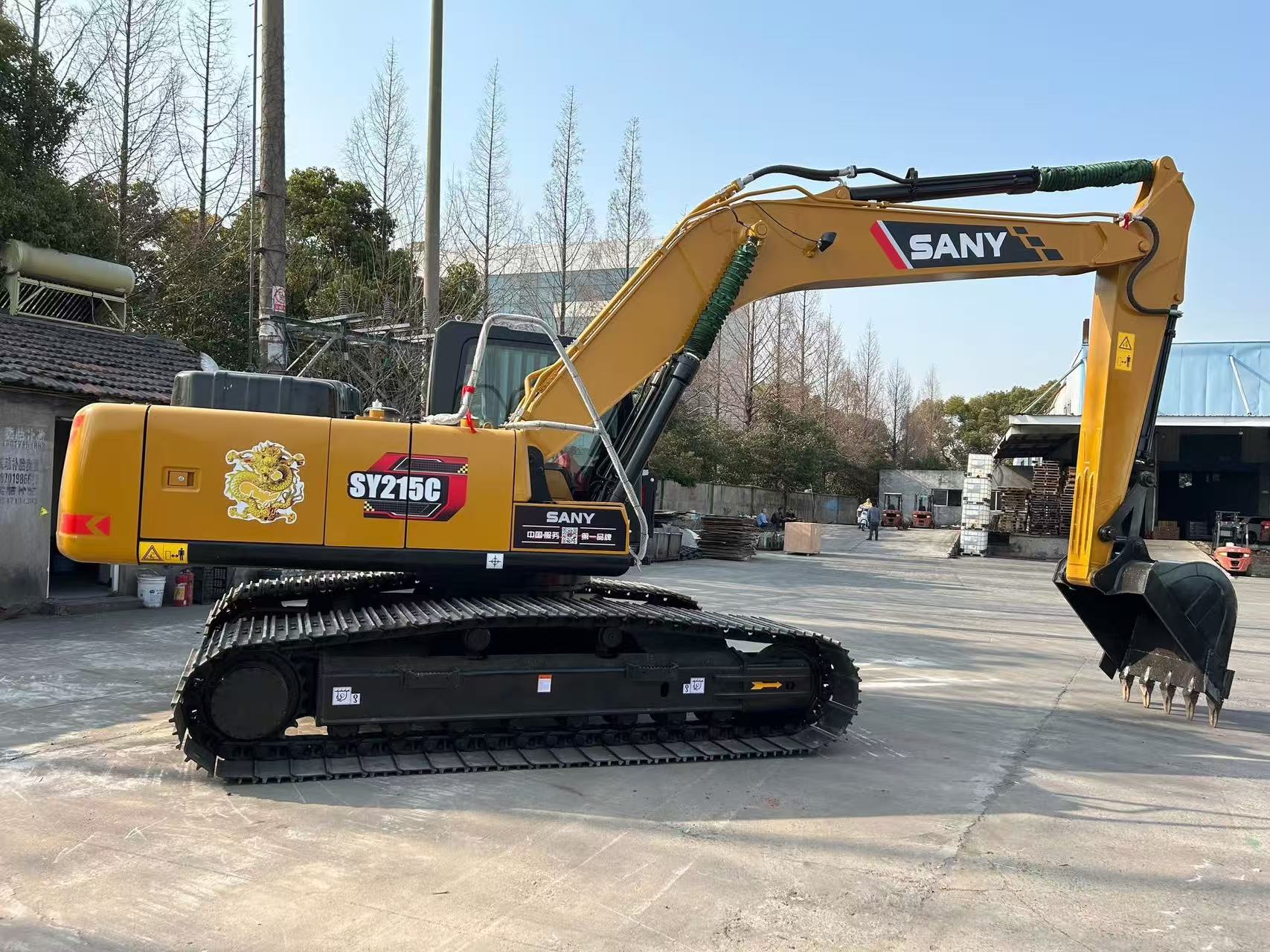
Transporting a used excavator is one of the most critical steps after you make your purchase. Whether you’re moving a CAT, SANY, Hitachi, or Komatsu machine, the way you transport it directly affects safety, delivery speed, and the long-term condition of your equipment. As a buyer, you want your excavator to arrive exactly as promised—without damage, delay, or unnecessary cost. That’s why understanding the correct transportation process is essential for protecting both your investment and your project schedule.
In 2025, transportation regulations have become stricter across global logistics routes, making professional and well-planned movement of heavy machinery more important than ever. Whether you're shipping domestically or overseas, following a safe, standardized procedure ensures your machine performs at full capacity from day one. This guide gives you a complete overview of how to transport a used excavator safely—so you know precisely what to expect before your machine arrives on-site.
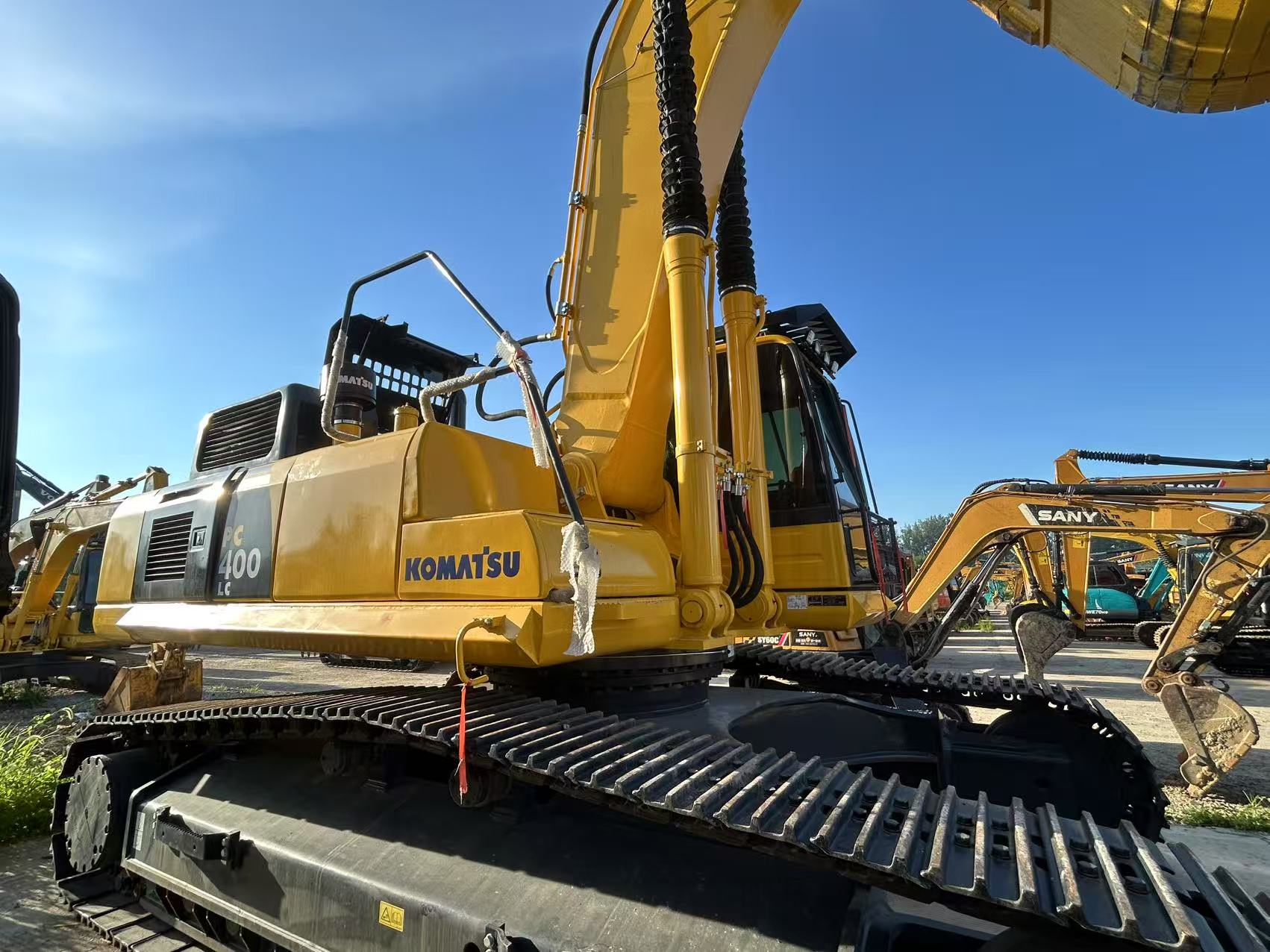
1. Choose the Right Transport Method for Your Excavator
The transport method you choose depends on the model size, weight, and destination. For medium to large excavators, such as the Hitachi 350-3G, flatbed trailers, RORO vessels, and containerized transport are the most reliable options. You need a method that provides stability, strong anchoring points, and compliance with local regulations.
A reliable heavy equipment dealer will help you match the correct shipping method, ensuring your excavator is loaded, secured, and delivered without risk. Choosing the right transport saves you time, money, and prevents potential damage during transit.
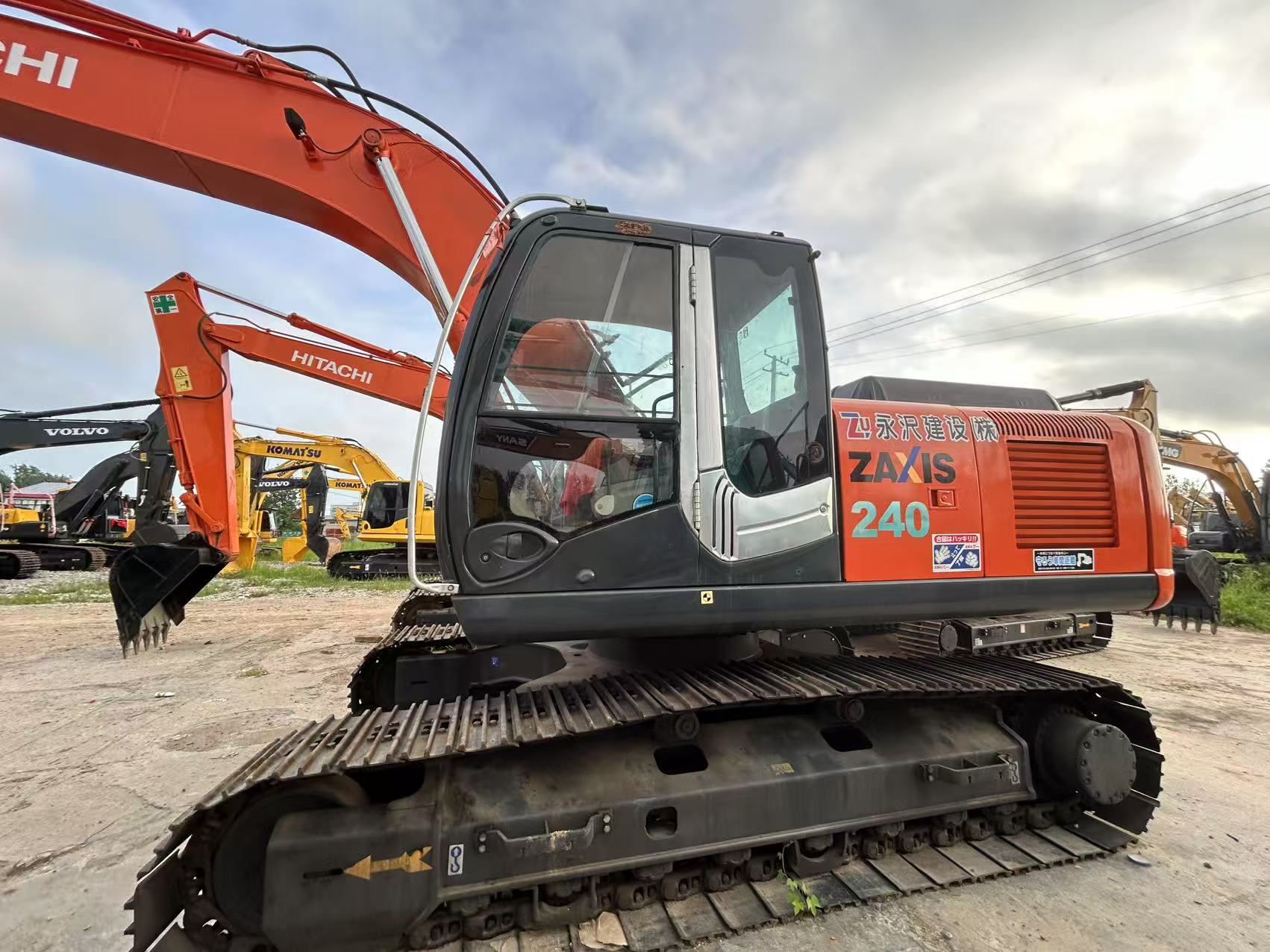
2. Inspect and Prepare Your Used Excavator Before Shipping
Before transportation begins, your machine requires a full pre-shipment inspection. This includes:
draining excess fuel
checking hydraulic lines
locking the swing brake
folding the boom and arm properly
securing all loose components
This step ensures your excavator remains stable during transit. As a buyer, you have the right to request complete inspection photos or videos, giving you full visibility and confidence before the machine leaves the yard.
3. Securing the Excavator: Why Proper Anchoring Matters
A used excavator must be anchored correctly to avoid movement or vibration during transport. Heavy-duty chains, wheel chocks, steel locks, and boom restraints are essential tools to keep your machine firmly in place. When secured properly, your excavator stays safe even in long-distance shipping or rough transport conditions.
This step is especially important because improper securing is one of the leading causes of machine damage during shipping. A professional dealer ensures your excavator is fixed from multiple angles—eliminating risk and ensuring smooth delivery.
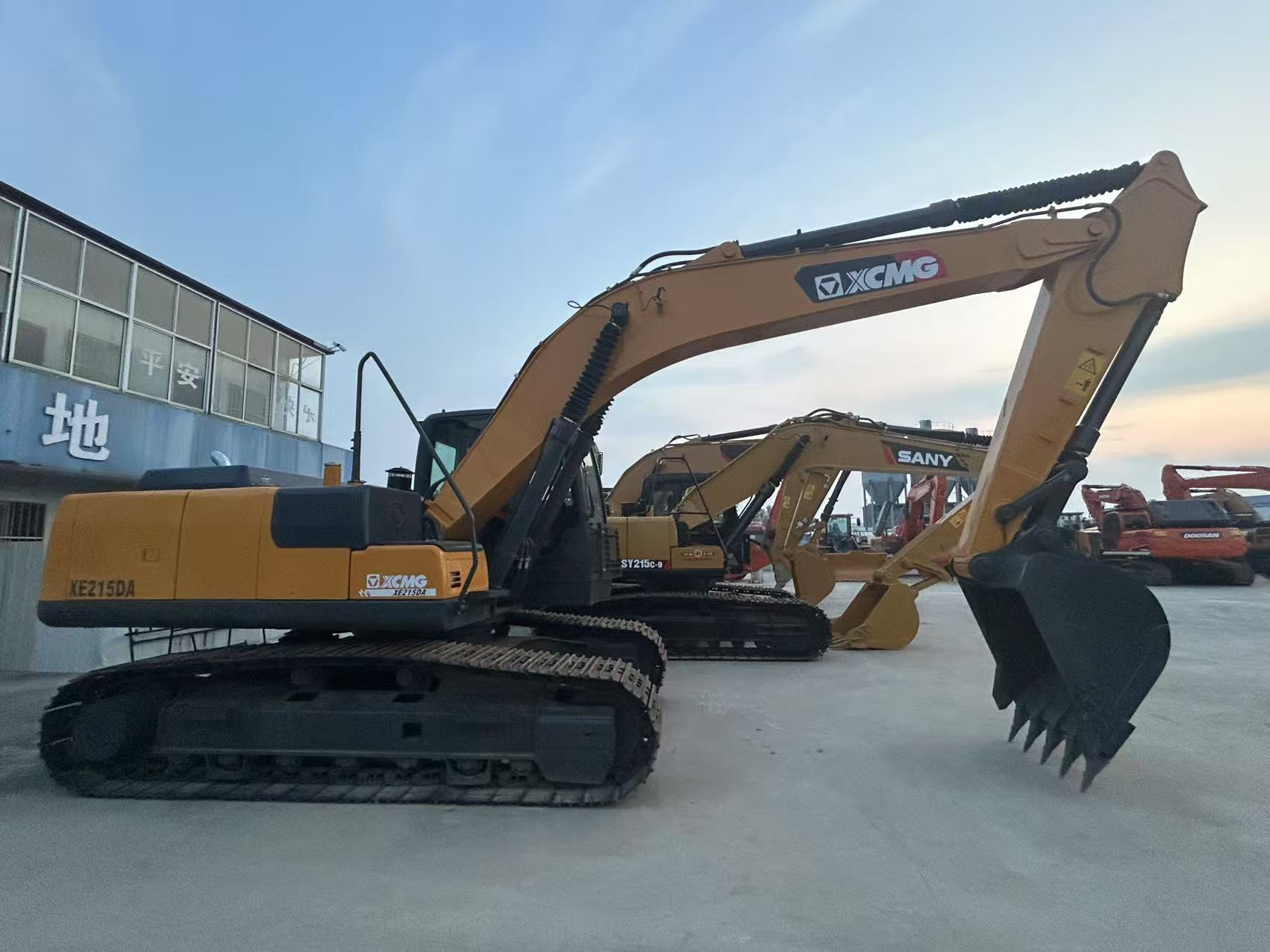
4. Work Only With Experienced Heavy Equipment Logistics Teams
When shipping valuable machinery overseas or across borders, experience matters. A professional logistics team understands permits, route approvals, customs clearance, weight limitations, and transportation documentation. When you choose an experienced dealer, you get peace of mind knowing your excavator is handled by experts who specialize in used construction machinery transportation.
With the right partner, your transportation becomes fast, predictable, and fully compliant with international standards—saving you countless headaches.
5. Track Your Shipment and Prepare for Arrival
Modern logistics systems allow you to monitor your shipment in real time. When shipping a used excavator, tracking offers several advantages:
✔ You always know where your machine is
✔ You can prepare your worksite ahead of delivery
✔ You reduce downtime and avoid schedule delays
Once the excavator arrives, perform a quick inspection to ensure everything matches your original order—appearance, engine condition, hydraulic performance, and machine hours
Q & A — Built for Buyers
Q1: Is transporting a used excavator risky?
A: Not if done correctly. With proper inspection, securing, and professional logistics, transportation is completely safe and highly reliable.
Q2: What documents do I need for international shipping?
A: Typically: bill of lading, packing list, commercial invoice, export declaration, and compliance certificates. Your dealer should prepare everything for you.
Q3: Can I track my excavator during shipment?
A: Yes, reputable logistics companies provide tracking numbers so you can monitor your shipment in real time.
Q4: How do I avoid damage during transport?
A: Work with experienced machinery shippers, ensure proper anchoring, and request detailed loading photos or videos from your supplier.
Final Marketing Call
Transporting your used excavator safely is just as important as choosing the right machine. When you partner with a trusted dealer who handles inspection, securing, documentation, and global logistics, you get a smooth, stress-free transportation process from start to finish.
💬 Contact us now for professional support on purchasing and shipping CAT, SANY, Hitachi, and Komatsu used excavators.
Your machine can be on the way to your jobsite sooner than you think.